How to Transform Your Space with Expert Interior Design
- Sharon Minto
- Apr 24
- 5 min read
Updated: 7 days ago
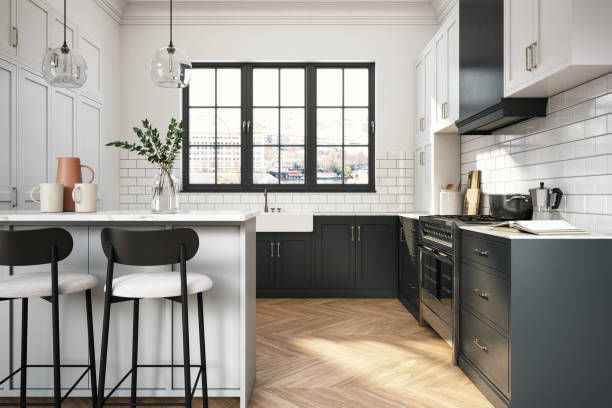
Transforming your living or working space can feel overwhelming, but it doesn’t have to be. With the right interior design approach, you can create an environment that reflects your personality, enhances functionality, and promotes well-being. Whether you’re looking to refresh a single room or undertake a full home renovation, expert interior design can guide you through the process, ensuring that your space is not only beautiful but also practical.
Understanding Interior Design
Interior design is more than just choosing colors and furniture. It involves a comprehensive understanding of space, aesthetics, and functionality. Here are some key elements to consider:
Space Planning
Effective space planning is crucial in interior design. It involves arranging furniture and decor in a way that maximizes the use of space while ensuring comfort and flow. A well-planned space can make even the smallest areas feel open and inviting.
Color Theory
Colors can significantly impact mood and perception. Understanding color theory helps in selecting palettes that evoke the desired feelings in a space. For instance, soft blues and greens can create a calming atmosphere, while vibrant reds and yellows can energize a room.
Lighting
Lighting plays a vital role in interior design. It can highlight architectural features, create ambiance, and influence how colors appear. A combination of natural and artificial lighting is often the best approach to achieve a well-lit space.
Materials and Textures
The choice of materials and textures can add depth and interest to a room. Mixing different textures—such as wood, metal, and fabric—can create a dynamic environment that feels rich and inviting.
The Benefits of Hiring an Interior Designer
While some may choose to tackle interior design projects on their own, hiring a professional can offer numerous advantages:
Expertise and Experience
Interior designers bring a wealth of knowledge and experience to the table. They understand the latest trends, materials, and techniques, which can save you time and money in the long run.
Access to Resources
Designers have access to a wide range of resources, including exclusive materials, furnishings, and contractors. This can lead to a more polished and cohesive final product.
Customized Solutions
An interior designer will work closely with you to understand your needs and preferences, creating a tailored design that reflects your style and enhances your lifestyle.
Project Management
Managing a design project can be stressful, especially if it involves multiple contractors and timelines. An interior designer can oversee the entire process, ensuring that everything runs smoothly and stays on schedule.

Key Steps in the Interior Design Process
Understanding the interior design process can help you feel more confident in your project. Here are the typical steps involved:
Initial Consultation
The process usually begins with an initial consultation where the designer assesses your space, discusses your needs, and gathers inspiration. This is a great time to share your vision and any specific requirements you may have.
Concept Development
After the consultation, the designer will develop a concept that includes mood boards, color palettes, and layout options. This stage allows you to visualize the proposed design and make adjustments before moving forward.
Design Development
Once the concept is approved, the designer will create detailed plans, including furniture selections, materials, and finishes. This is where the vision starts to take shape.
Implementation
The implementation phase involves coordinating with contractors and vendors to bring the design to life. The designer will oversee the installation of furniture, fixtures, and decor, ensuring everything aligns with the vision.
Final Walkthrough
After the project is complete, a final walkthrough will be conducted to ensure that everything meets your expectations. This is also an opportunity to address any last-minute adjustments.
Tips for Working with an Interior Designer
To make the most of your collaboration with an interior designer, consider the following tips:
Be Open and Honest
Clear communication is key. Be open about your budget, preferences, and any concerns you may have. This will help the designer create a space that truly reflects your vision.
Share Inspiration
Gather images, samples, and ideas that resonate with you. Sharing these with your designer can provide valuable insight into your style and preferences.
Trust the Process
Interior design is a journey. Trust your designer’s expertise and be open to their suggestions. They may propose ideas that you hadn’t considered, which could enhance the overall design.
Stay Involved
While it’s important to trust your designer, staying involved in the process can help ensure that the final outcome aligns with your vision. Regular check-ins can keep you informed and engaged.
Common Interior Design Styles
Understanding different interior design styles can help you articulate your preferences to your designer. Here are a few popular styles:
Modern
Characterized by clean lines, minimalism, and a neutral color palette, modern design focuses on functionality and simplicity. It often incorporates materials like glass, metal, and wood.
Traditional
Traditional design features classic elements, rich colors, and ornate details. This style often includes antique furniture, intricate moldings, and warm, inviting fabrics.
Industrial
Inspired by warehouses and factories, industrial design embraces raw materials, exposed brick, and metal accents. It often features an open layout and a mix of vintage and modern furnishings.
Bohemian
Bohemian design is eclectic and vibrant, incorporating a mix of colors, patterns, and textures. It often features global influences, vintage finds, and a relaxed, laid-back vibe.
Scandinavian
Scandinavian design emphasizes simplicity, functionality, and natural materials. It often features light colors, clean lines, and a focus on creating cozy, inviting spaces.
Creating a Functional Space
While aesthetics are important, functionality should never be overlooked. Here are some tips for creating a space that is both beautiful and practical:
Assess Your Needs
Consider how you use the space and what activities will take place there. This will help inform your design choices and ensure that the layout supports your lifestyle.
Choose Multi-Functional Furniture
Investing in multi-functional furniture can maximize space and improve functionality. For example, a sofa bed can provide seating during the day and transform into a guest bed at night.
Prioritize Storage
Incorporating smart storage solutions can help keep your space organized and clutter-free. Consider built-in shelving, under-bed storage, or decorative baskets to maintain a tidy environment.
Create Zones
If you have an open-concept space, consider creating distinct zones for different activities. Use rugs, furniture placement, or room dividers to define areas for lounging, dining, or working.
The Importance of Personal Touches
Adding personal touches to your space can make it feel truly yours. Here are some ideas for incorporating your personality into your design:
Display Artwork
Artwork can serve as a focal point and reflect your interests and style. Consider displaying pieces that resonate with you, whether they are original works or prints.
Incorporate Family Heirlooms
Incorporating family heirlooms or sentimental items can add character and warmth to your space. These pieces often tell a story and can serve as conversation starters.
Use Color Meaningfully
Choose colors that evoke the feelings you want in your space. For example, if you want a calming environment, consider soft blues or greens. If you want to energize a room, opt for brighter hues.
Personalize with Accessories
Accessories like throw pillows, rugs, and decorative objects can add layers of texture and color. Choose items that reflect your style and interests to create a cohesive look.
Conclusion
Transforming your space with expert interior design can significantly enhance your quality of life. By understanding the principles of design, collaborating effectively with a designer, and incorporating personal touches, you can create an environment that is not only beautiful but also functional. Whether you’re starting from scratch or refreshing an existing space, the journey of interior design can be both rewarding and fulfilling. Take the first step today and explore how expert design can transform your home or office into a space that truly reflects you.
Comments